National University of Singapore
ZiQi Zhang (Sugimoto Lab, Undergrad 2)
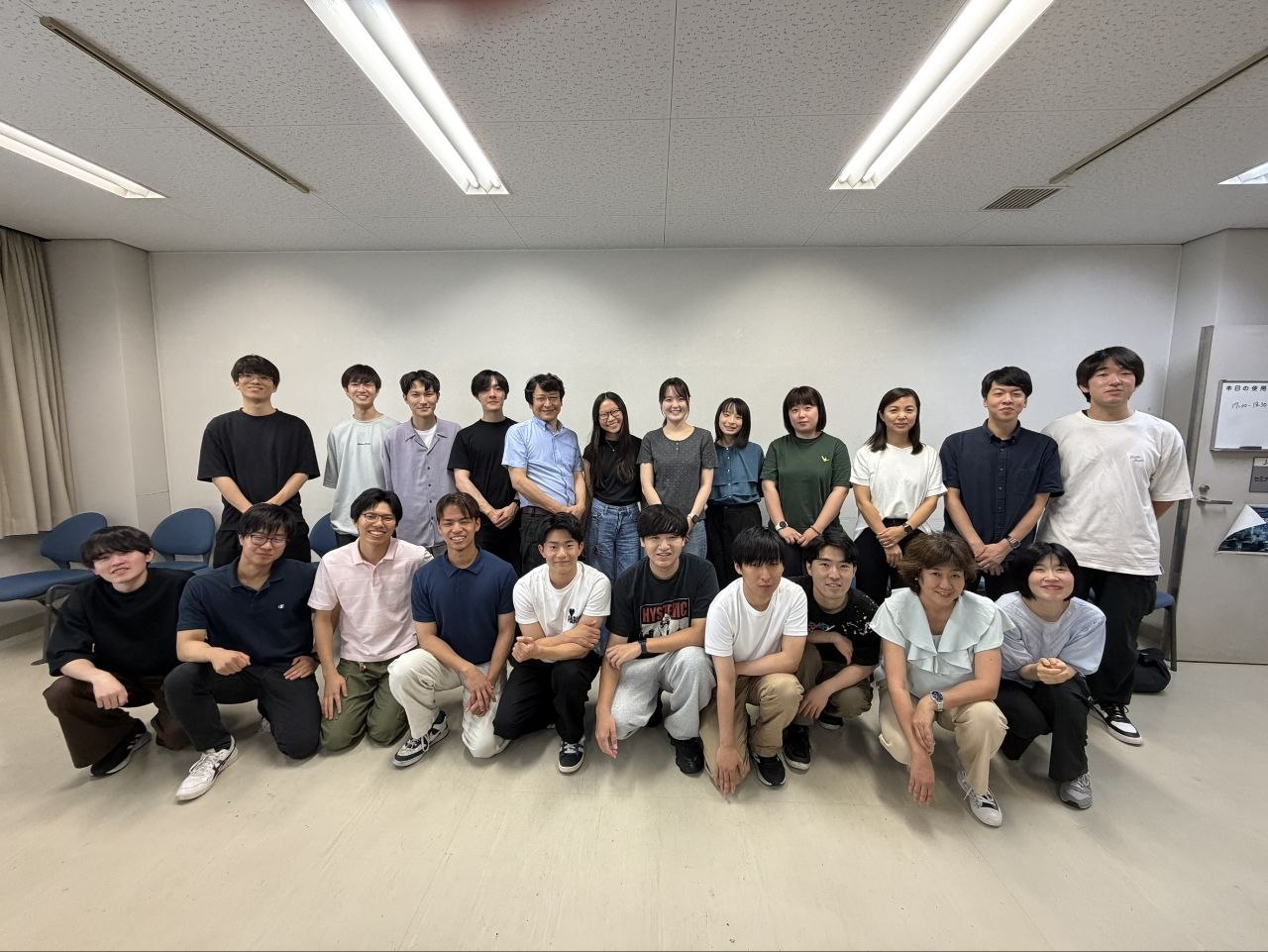
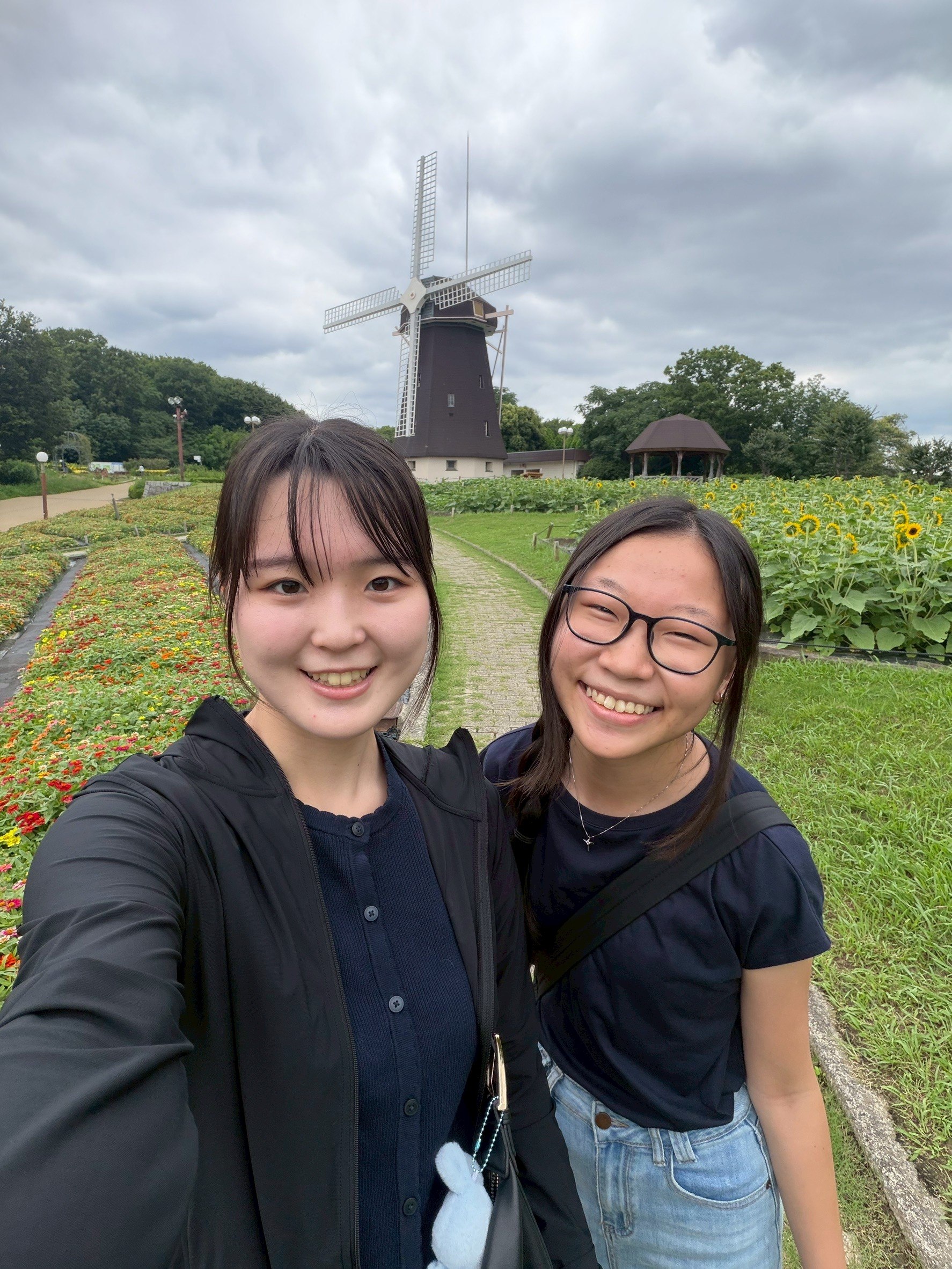
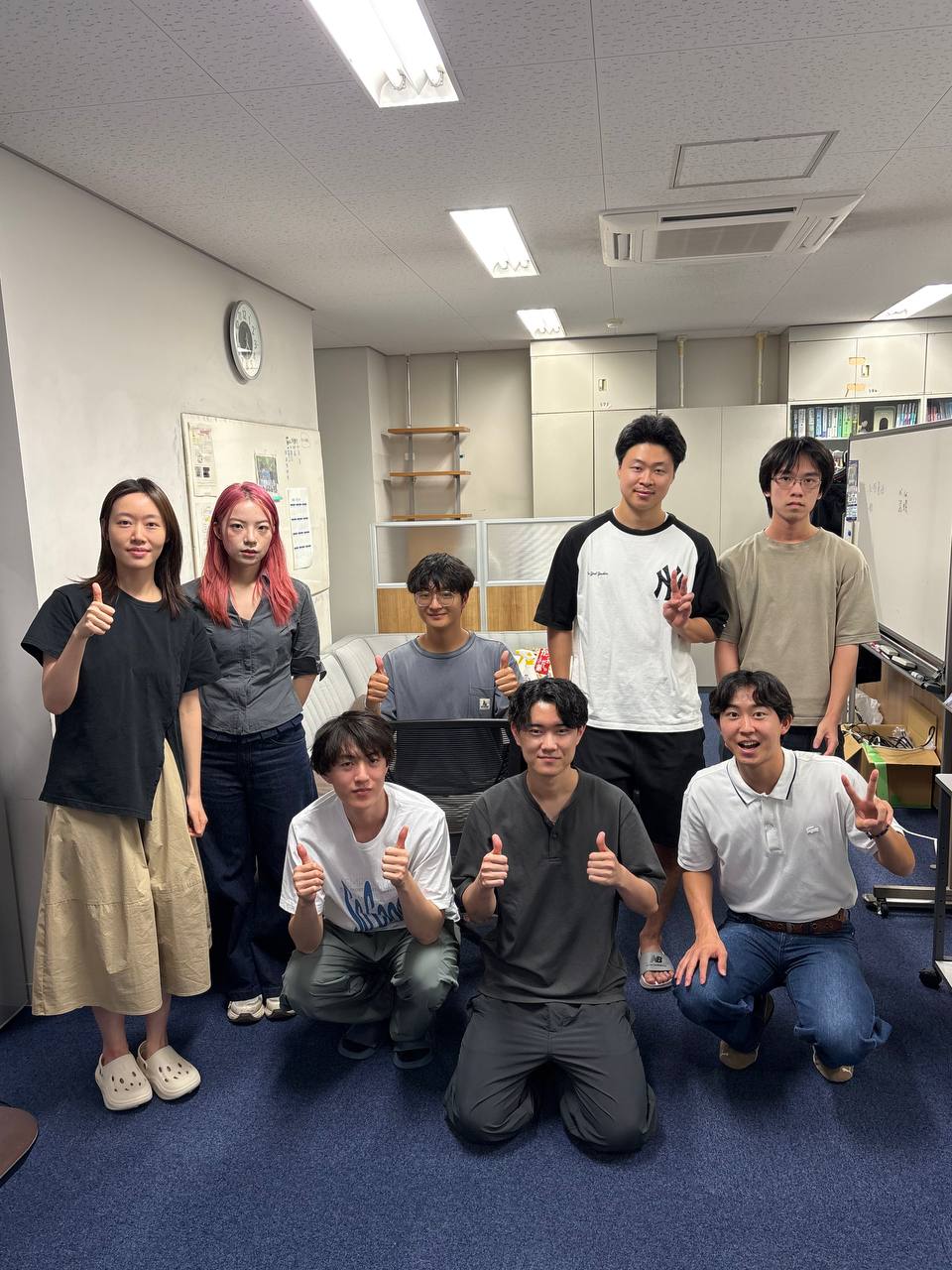
My time at Osaka University as part of the FrontierLab Mini Program was an incredibly meaningful experience. Beyond the research, I made many new friends in the lab, and some of my best memories came from the time we spent together outside of the lab, whether it was playing badminton, going on small adventures, or simply watching the World Cup together.
Academically, the program gave me the chance to challenge myself in a new area. I wanted to deepen my understanding of data and research, and Professor Sugimoto was very supportive in guiding me through the process of learning how to conduct research more independently. Through this experience, I gained not only technical knowledge, but also a better understanding of what research involves.
Living and studying in Japan also gave me a deeper appreciation of Japanese culture and the everyday life of students there. I learned a lot from observing the working culture in the lab, the respect and discipline in daily interactions, and the balance between academic commitment and community life. These experiences helped me better understand Japan beyond what I could learn as a visitor.
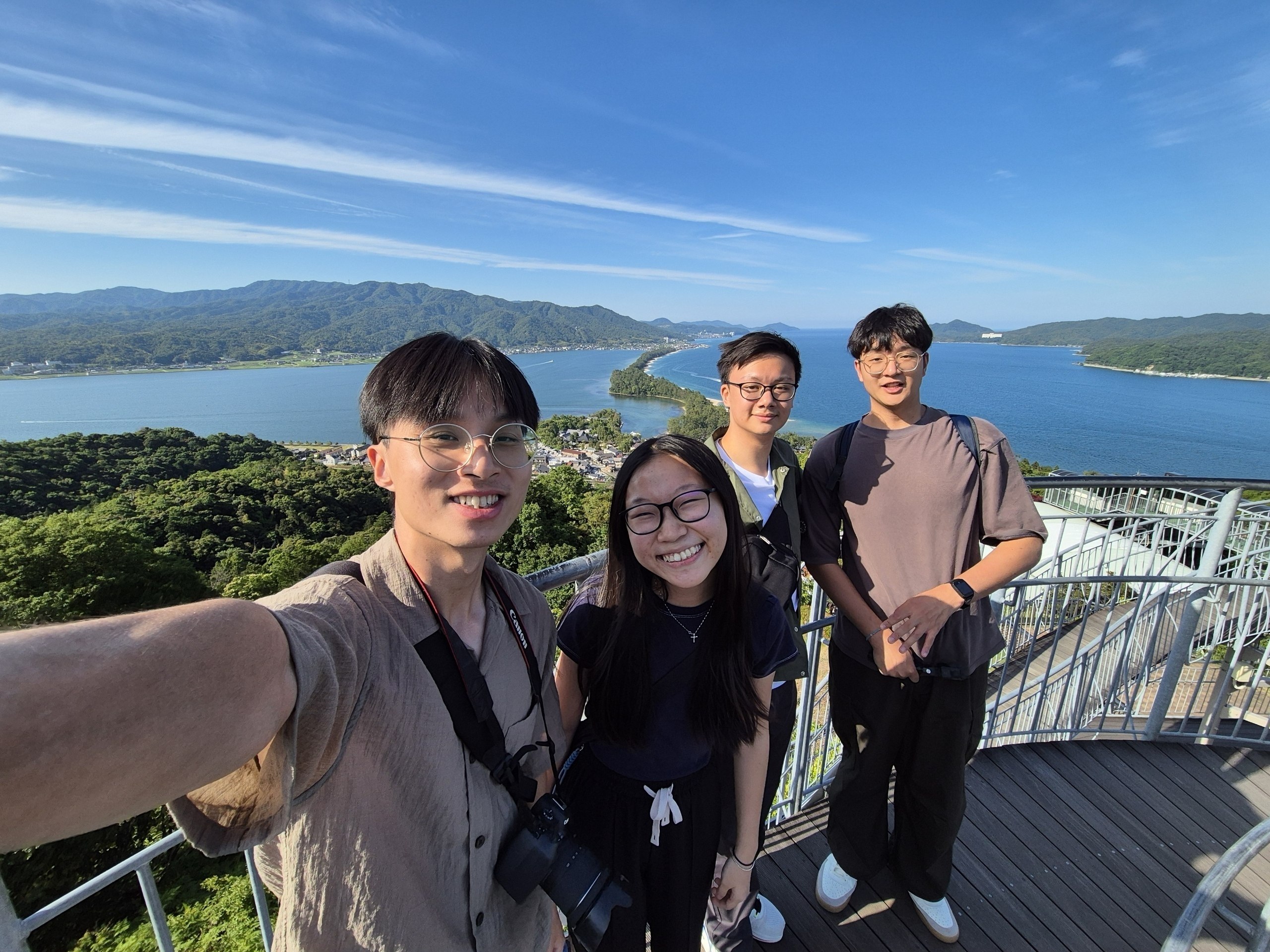
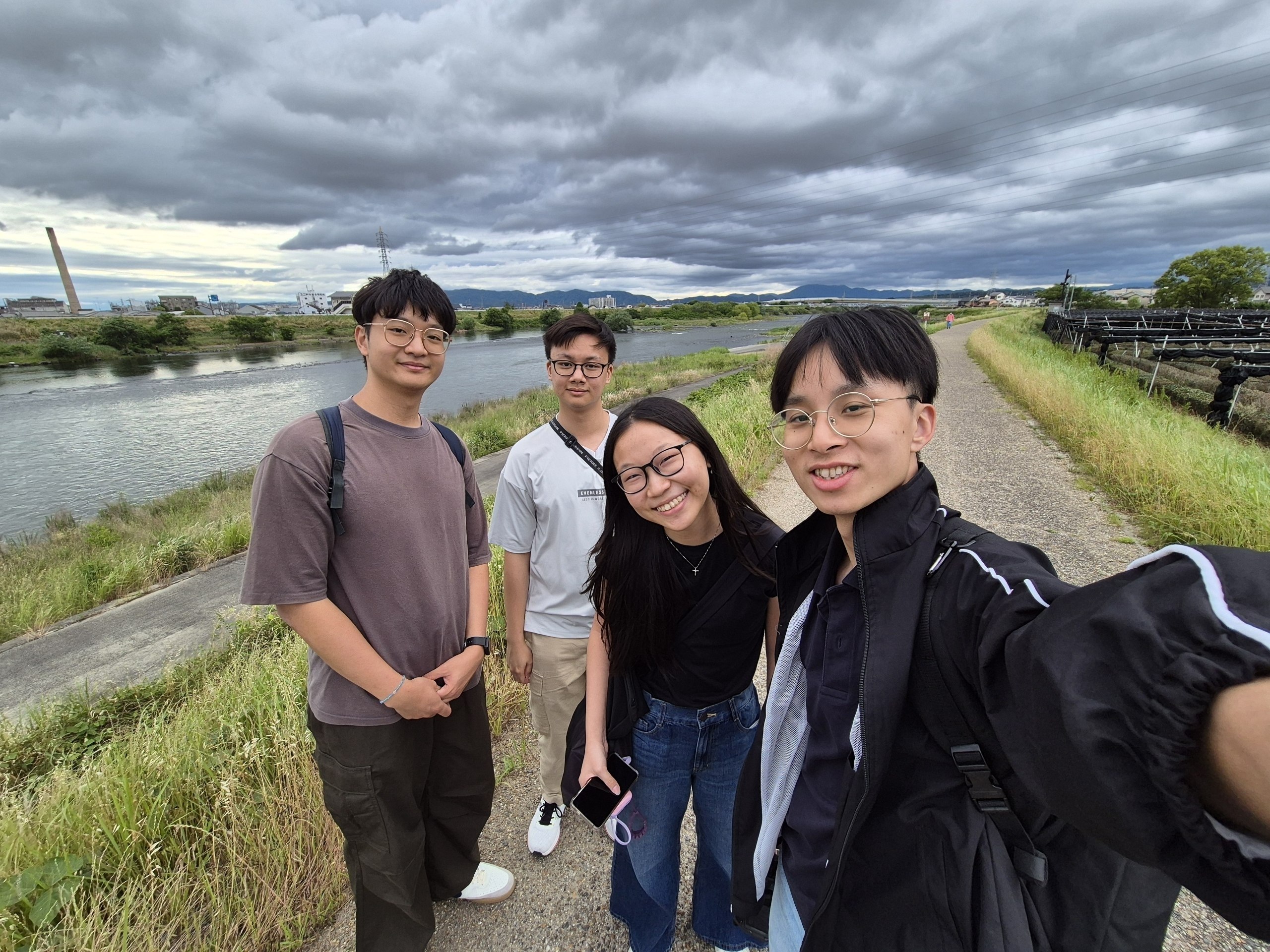
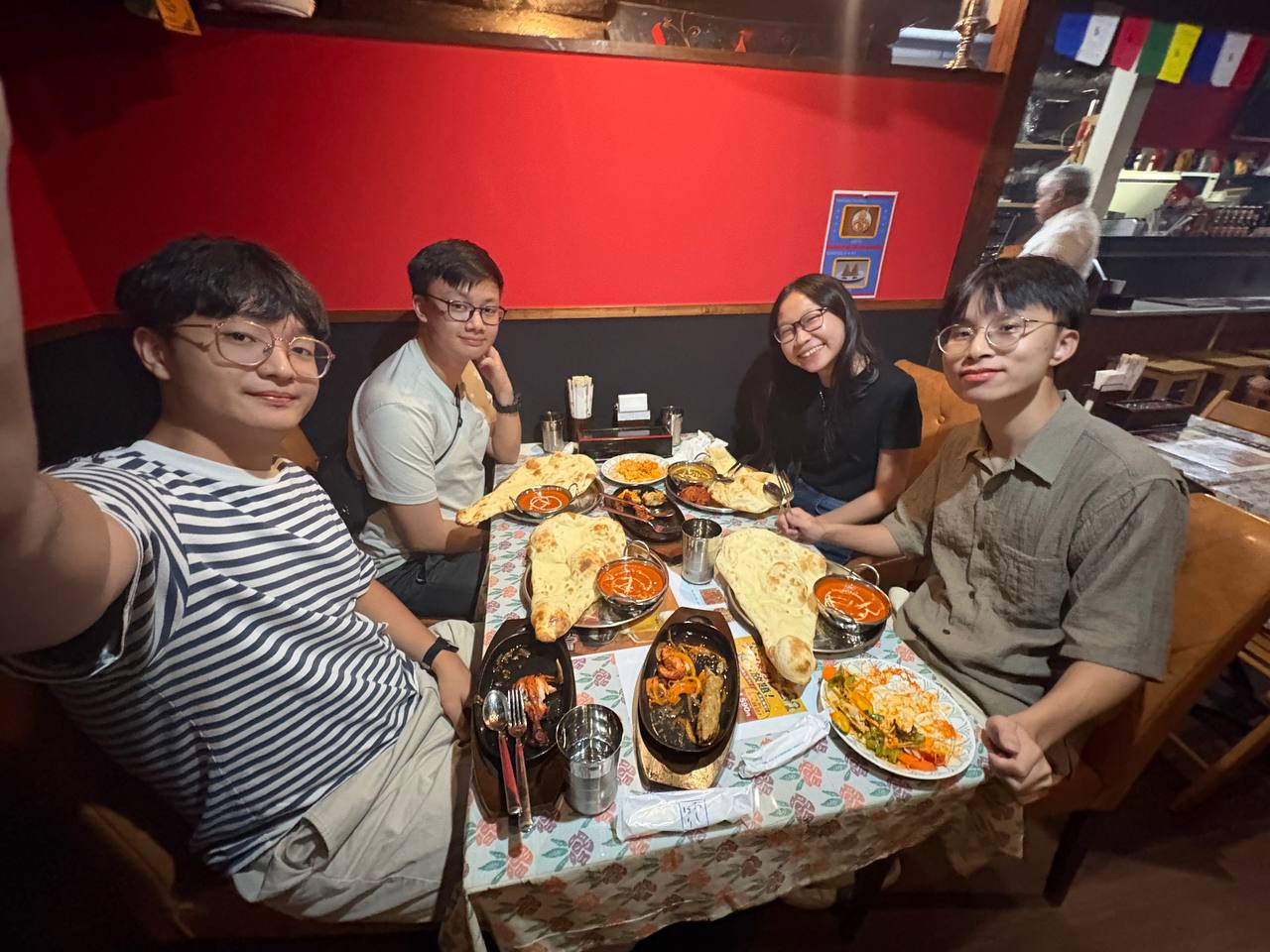
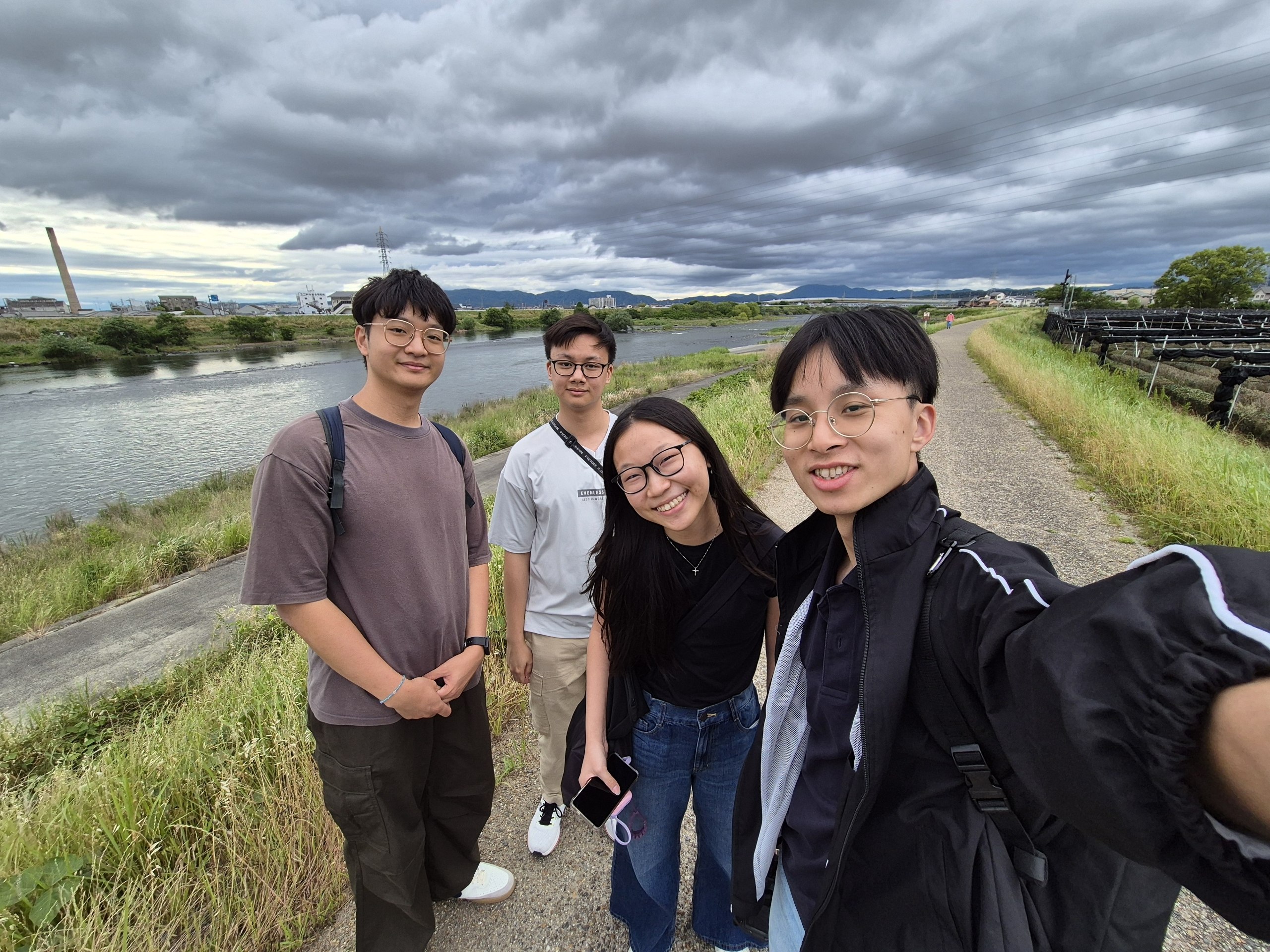
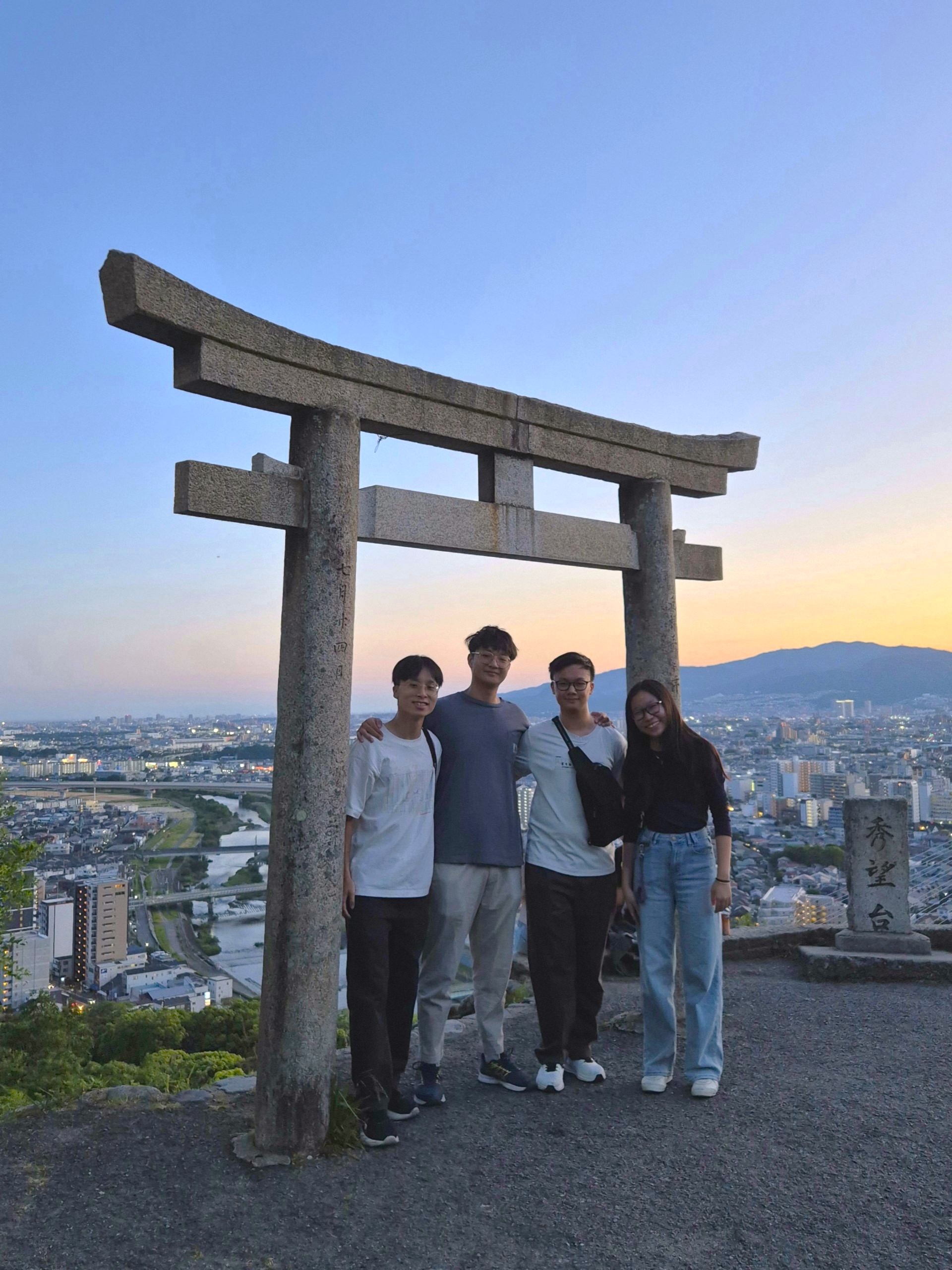
I also had a great time with my NUS friends who came with me for the program. Together, we explored different parts of Japan, including Kyoto, Fukuoka, Wakayama, and Kobe. These trips made the experience even more memorable, as we were able to learn more about Japan's history, food, local culture, and different regions while sharing the journey together.
Overall, the program deepened my interest in research and gave me greater confidence to explore new academic directions. I am very grateful for the opportunity to learn, grow, experience Japanese student life, and build meaningful friendships during my time at Osaka University.
Ryan Han Ping Lee (Shimizu Lab, Undergrad 2)
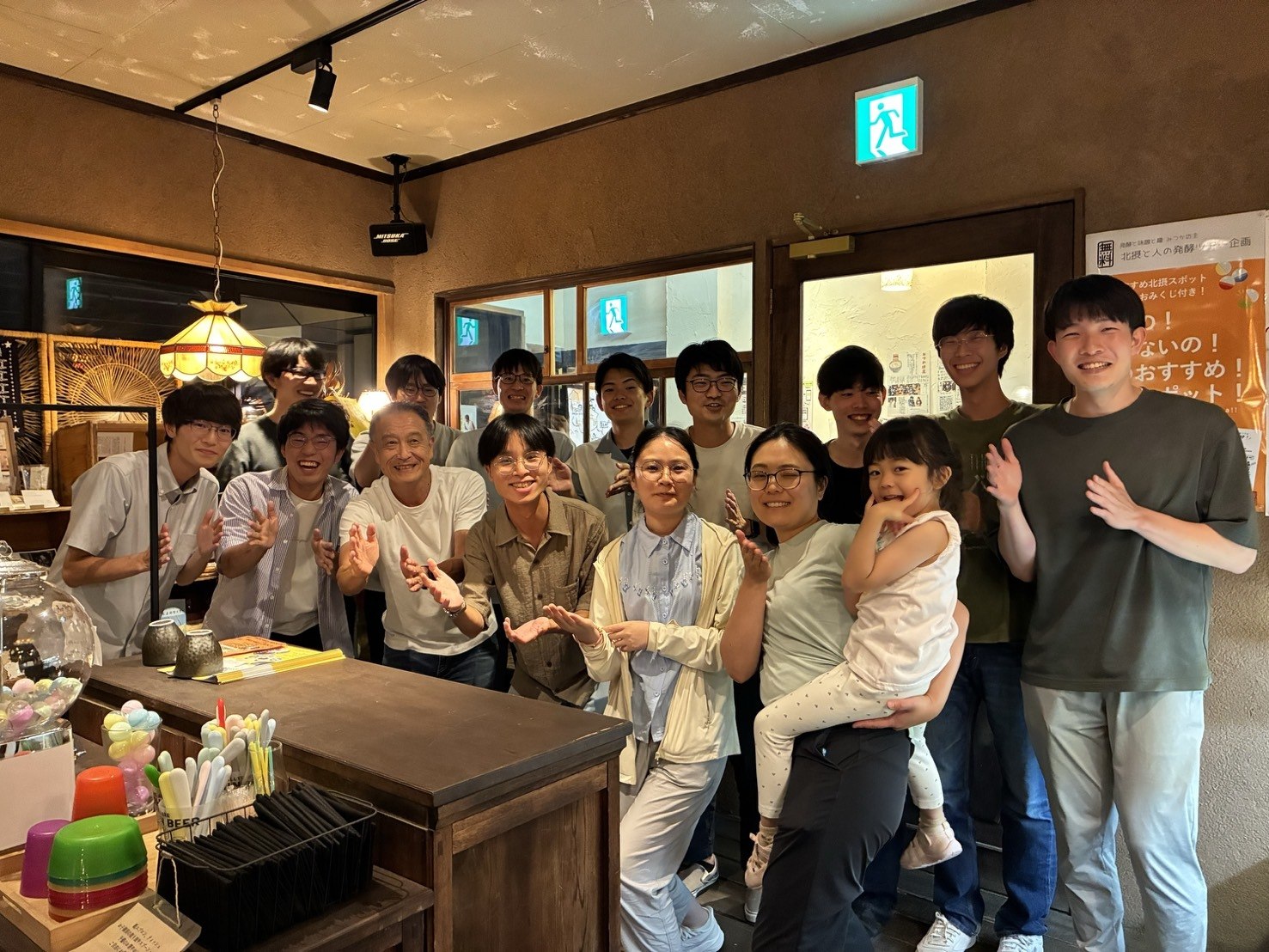
The eight weeks spent in Osaka has been a very fulfilling and memorable experience. I was attached to the Shimizu Laboratory, which works on high pressure superconductivity research, and as such I was able to be exposed to a new research field to me and learn experimental techniques such as preparing a diamond anvil cell, a niche equipment used in physics research. With the guidance of Professor Shimizu and the many students in the lab, I managed to successfully prepare and conduct a set of experiments to apply ultra-high pressure to a sample and produce some simple results. Beyond laboratory work, the students in the lab are very welcoming and friendly, helping me with adjusting to life in Japan, conversing with me despite the language barrier, inviting me for meals around the neighbourhood, karaoke sessions, impromptu soccer games at the school field, and even once bringing me to a local hot spring, immersing me well in the local Japanese university culture. During the weekends, me and my fellow NUS students, Chloe, Ziqi and Tze Xuan often took day trips out to explore the Kansai area, visiting Kobe, Kyoto, Nara, Uji, Wakayama and Himeji, to name a few, savouring local foods and enjoying the beautiful scenery, making our time in Japan really memorable. I thoroughly enjoyed my time in the Frontier Lab Mini Program and am very blessed with the opportunity to attend this program over my summer holiday, spend it with amazing people and friends in Osaka, and am grateful for the many experiences shared and memories made.
Tze Xuan Kwek (Nakamura Lab, Undergrad 2)
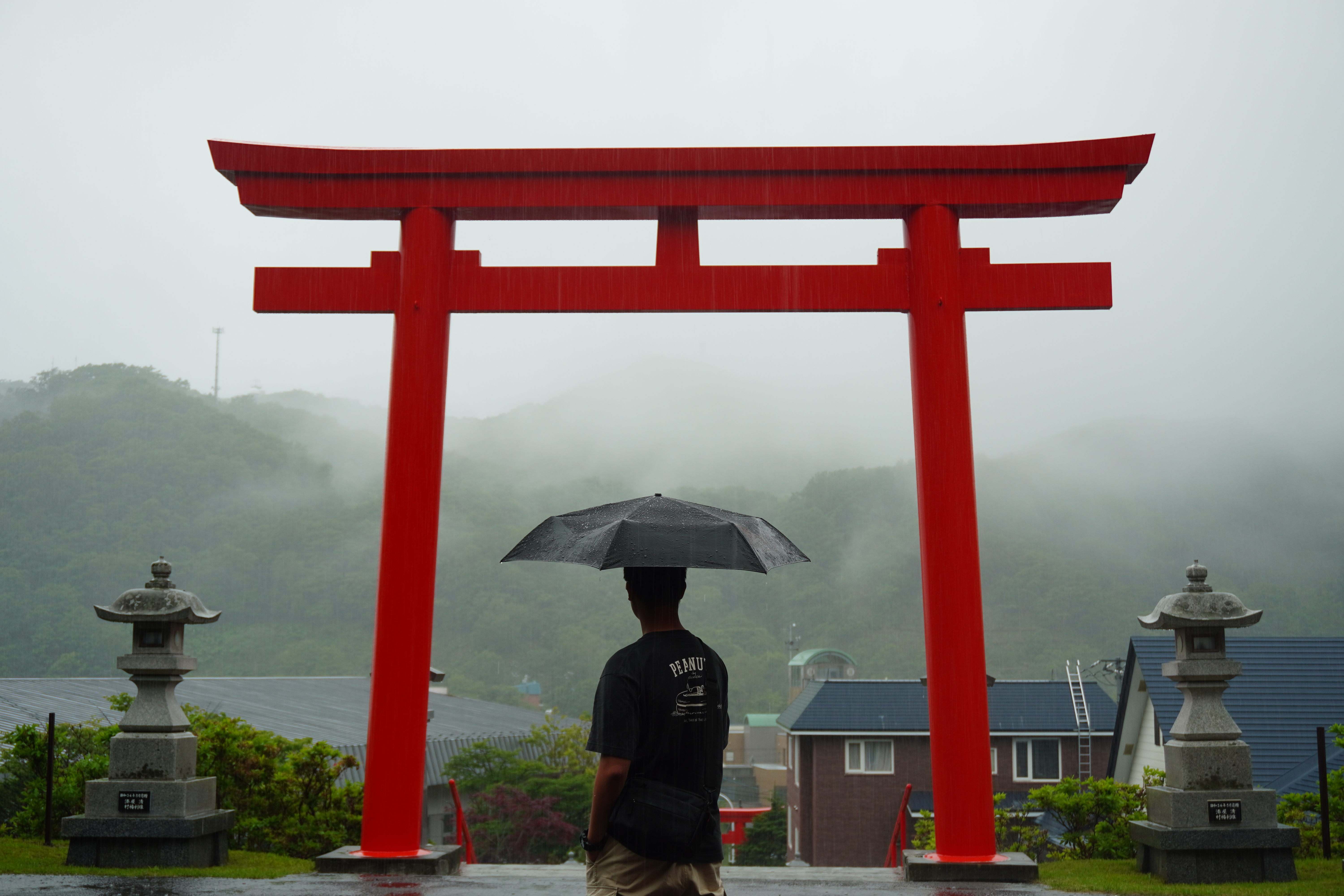
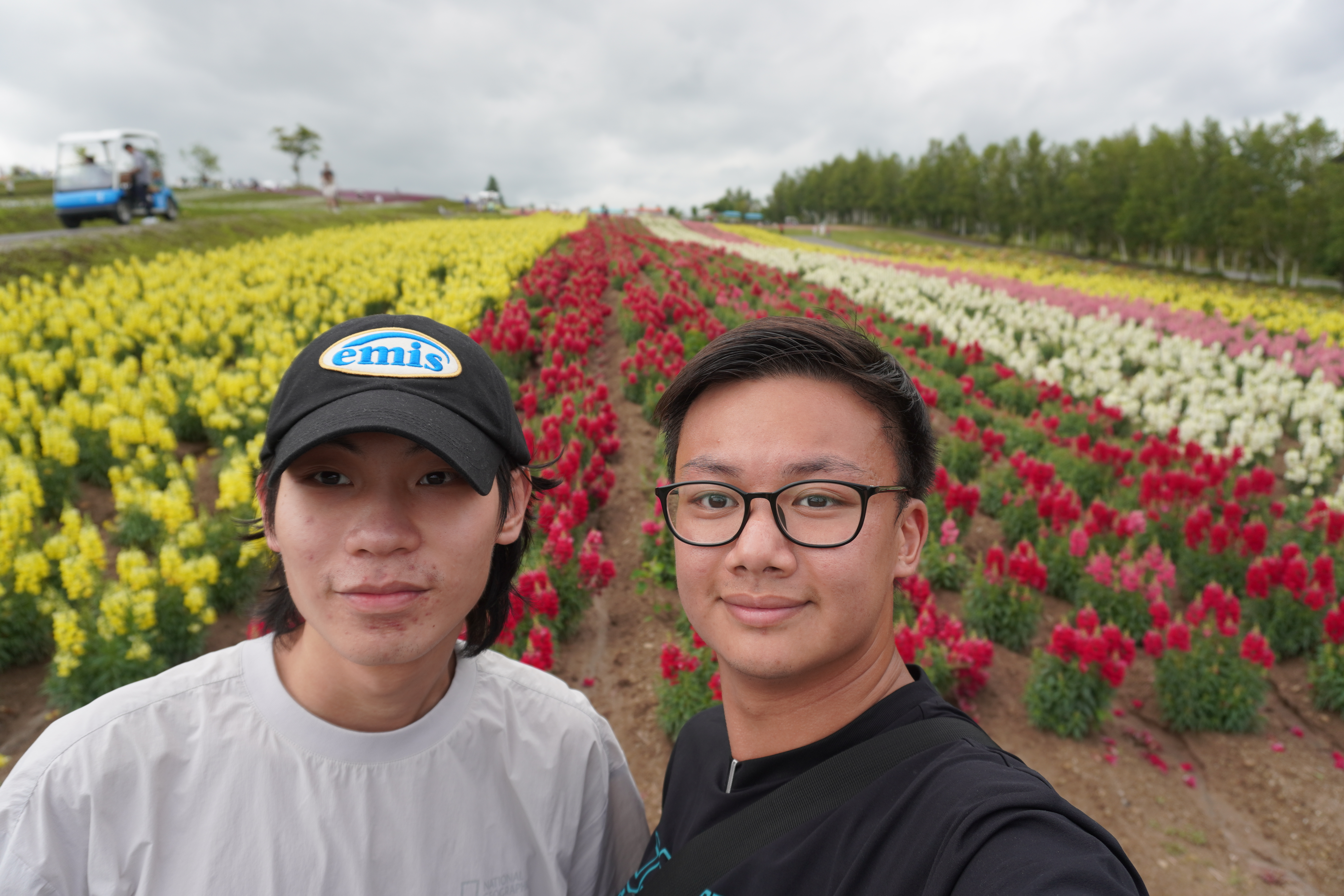
Over these 10 weeks at Nakamura Lab, I had the chance to apply machine learning concepts from NUS to research-level projects in ways I hadn't experienced in a classroom setting. My work spanned two threads. Speech emotion recognition using a 2D CNN, where I built out visualisation pipelines using Grad-CAM and both 2D and 3D UMAP to better understand what the model was actually learning, and sleep staging using Apple Watch accelerometer data, where a good part of the challenge was cleaning and artefact removal, stripping out gravity components and everyday motion noise before the signal was even usable. Along the way I picked up new ground in transformer architectures and model ensembling, pushing past the diminishing returns I was hitting with CNNs alone. It was a steep but rewarding introduction to how research actually moves, messier and more iterative than any assignment back home. Alongside the lab work, I threw myself into relearning Japanese from scratch, and going from zero to roughly an elementary school level in 10 weeks, through daily practice on Anki and Japanese Dungeon, taught me as much about persistence as the research did. By the end of the summer I had been to more places than I have fingers on my hands, more than most of the master's students I met along the way. The highlight was a trip I hadn't planned for. I barely knew Victor from the University of Toronto, but one offhand "wanna go to Hokkaido?" turned into an 1,100+ km road trip from Sapporo to Furano, Biei, Lake Akan and all the way up to Rausu and down to New Chitose, weathering a typhoon, more flower than the eyes can see and missed whale-watching along the way. This programme really is a perfect mix of work and play. Between the research, the language, the travel, and the people I met almost by accident, it gave me far more than I expected to take from it.
Lim Rui En Chloe (Kiyono Lab, Undergrad 2)
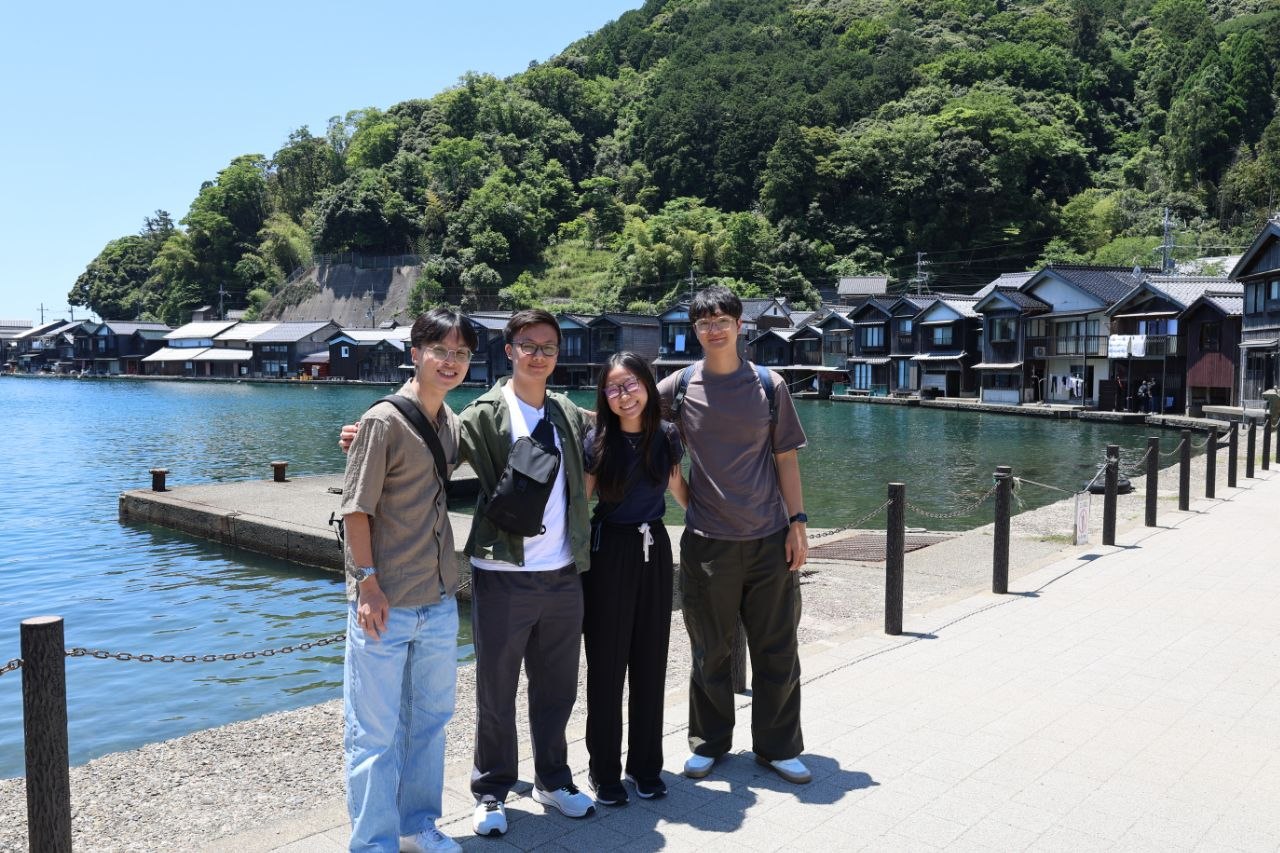
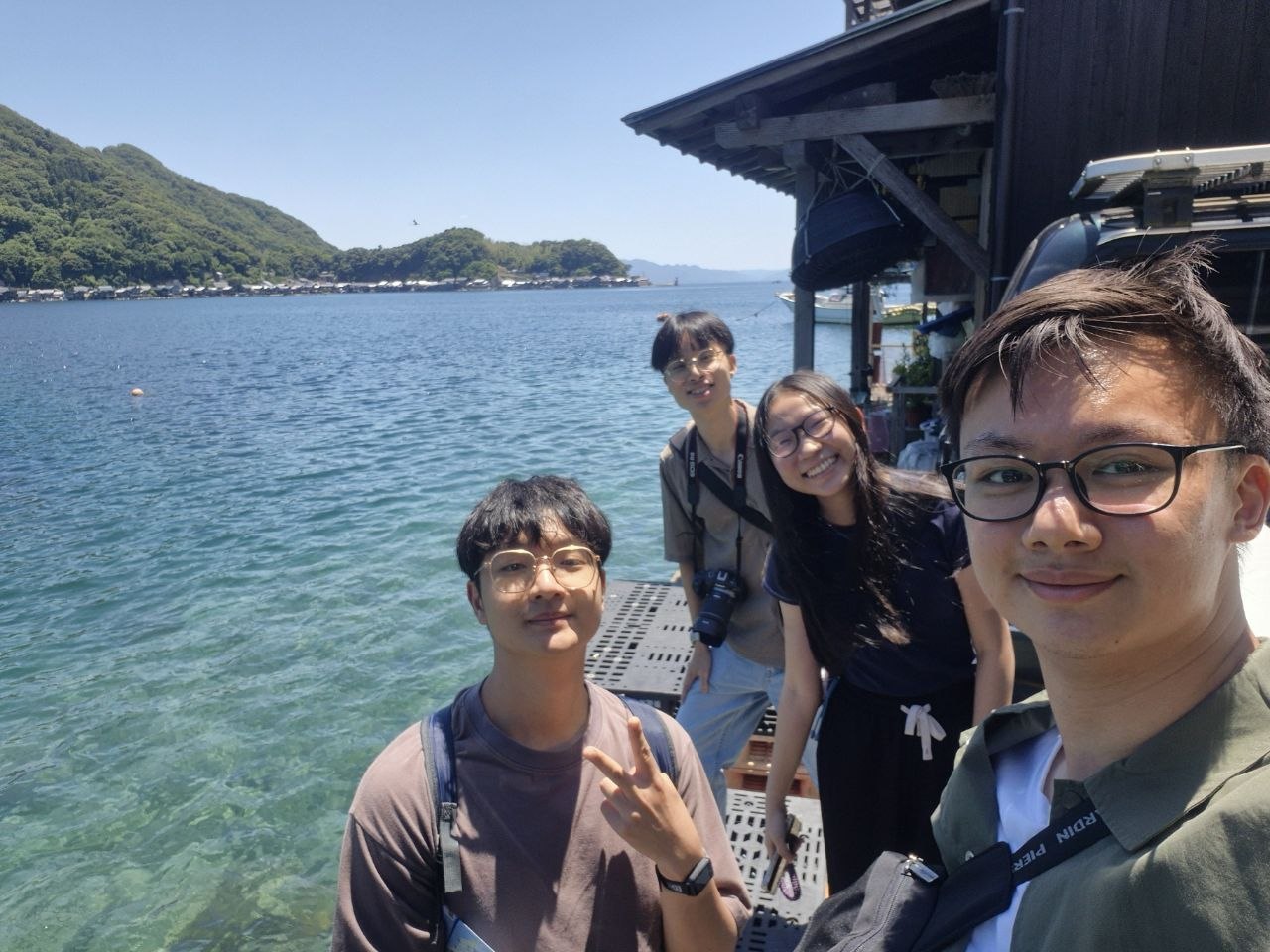
"I really enjoyed my time in the FrontierLab Mini Programme. I had the privilege of working under Professor Ken Kiyono and together with my mentor Rinka Higuchi, we worked on research that involved reproducing data and extending analysis of a study done to investigate the effects of menstrual cycle and body composition on one's autonomic nervous system. This involved analysing heart rate variability and carrying out statistical analysis on participants data that were collected for the study. Prior to this programme, I did not have much experience in research or even in this particular topic. However, Professor Kiyono and Rinka patiently guided me along the way and welcomed my inputs too. I really learnt a lot about the work that goes into research and this project also piqued my interest in the biomedical field. Beyond lab work, this programme also gave me the chance to explore Japan and immerse myself in Japanese culture. I really enjoyed exploring various parts of Japan, from the lively city area with lots of shopping in Osaka to visiting smaller towns with cute cafes. I also really enjoyed the beautiful views at Ine and Amanohashidate, admiring historical buildings at Kyoto and having fun at Disneyland in Tokyo. Something that stood out for me about Japanese culture is the warmth and kindness that everyone showed, as well as the dedication that each individual has to their work and craft. I am truly thankful for the opportunity to have been on this programme and for all the people I have met during my time in Osaka!"