University of Toronto
Michelle Ruifeng Sun (Harada Lab, Undergrad 3)
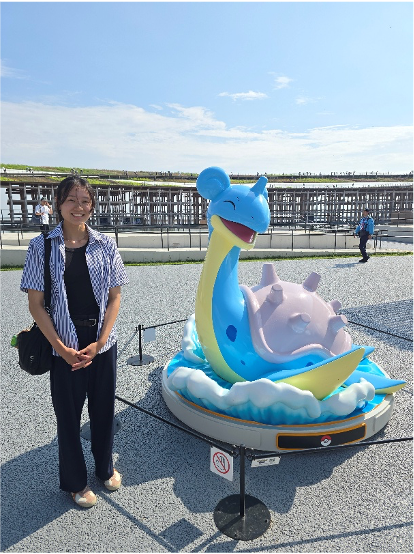
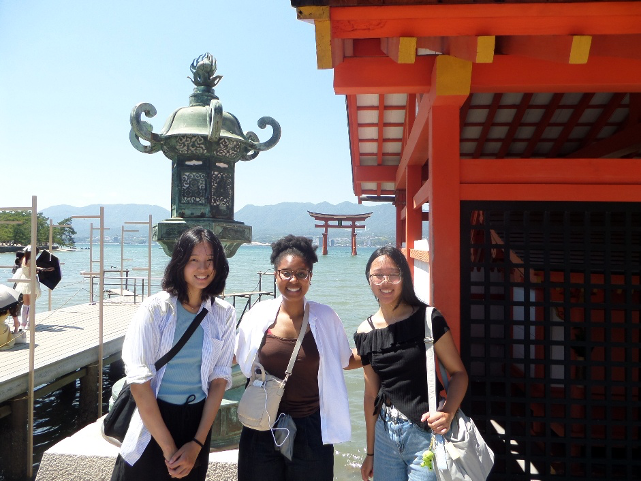
"The FrontierLab Mini Program was an incredibly transformative and unforgettable experience. I had the opportunity to work at the Harada Lab, where I received amazing guidance and support from my supervisor and other graduate students and learned a lot of practical applications of the materials I had previously only seen in the classroom. Seeing and experiencing the culture of Japan was very fun and refreshing, and it has made me more adaptable and confident in unfamiliar environments, especially far away from home. Learning the Japanese language was also an experience that was completely new to me, and I greatly appreciate the resources that Osaka University provided for international students, allowing us to practice conversing in Japanese and creating opportunities to mingle with both domestic students and other international students. I have made lifelong friends through this research placement, and I am grateful for the strong connections and shared experiences we built together. This time abroad not only enriched me personally but also strengthened my ability to collaborate and communicate effectively in new settings, as well as approach challenges with an open and adaptable mindset. "
National University of Singapore
Parker Ng Bing Yan (Goto Lab, Undergrad 2)
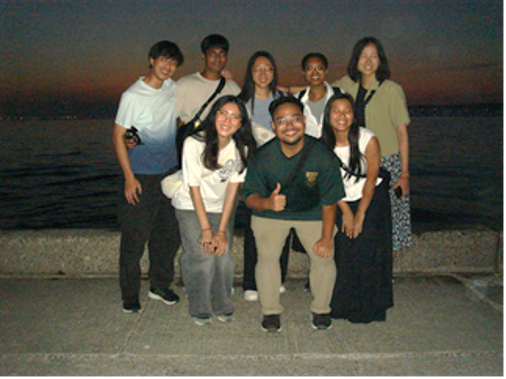
"When I first arrived in Japan for my 6 week research attachment at Goto Lab, I had no idea what to expect, but it turned out to be one of the most fulfilling and enjoyable experiences I’ve had. Everyone in the lab was very welcoming and friendly and also very excited that I could also speak Japanese, which made communicating with each other much easier. I was able to gain first-hand experience doing actual graduate student level research and experiments, from which I learned a lot. The research being done was mostly to do with computational fluid dynamics and I got to observe experiments that dealt with viscosity and the flow of liquids, as well as write code in Python to analyze the data that was recorded. Beyond the lab, I managed to meet some amazing friends from both Toronto University and Osaka University, who I shared many amazing adventures and experiences within my time there. We went all around the Kansai area, going to Kyoto, Kobe and even Wakayama. I got to see and experience so much amazing scenery that I will truly never forget. I’m extremely grateful to have gotten this opportunity and I highly recommend this program to anyone who wishes to both gain research experience in their chosen field as well as be able to explore and experience Japan."
Muthukumaran Yogeeswaran (Yoshikawa Lab, Undergrad 3)
"When I first joined the 12-week FrontierLab Mini Program with Yoshikawa Lab, I wasn’t sure what to expect, but it turned out to be so much more than just an internship or research experience. Yoshikawa Lab focuses on social robotics, and my research was cantered on developing a human detection system using an external third-person camera. One of the biggest challenges I tackled was figuring out how to convert the coordinates from the camera’s perspective into a shared SLAM map so that the robots could understand where humans were from their own point of view. This meant transforming and aligning two different coordinate systems, a problem that pushed me to think deeply about perception, localization, and human-robot interaction. What stood out just as much as the research itself was how warm and welcoming the environment felt, from the Japanese practice of saying Otsukaresama at the end of each lab day to the friendliness and support of everyone I worked with. Beyond learning about Japanese robotics and even contributing to the Osaka Expo 2025, which is something truly unique that not many people will ever get the chance to do, the program also gave me the opportunity to explore Japan. Being based in Osaka made it easy to travel to so many places like Kyoto, Kobe, Wakayama, Nara, Hiroshima, Nagasaki, Tokyo, and even beyond to Seoul in Korea. Just as meaningful were the friendships I built, whether with students from the University of Toronto who were also part of the program or with master’s students I met and interacted with at the international lounge at Osaka University. This summer was fun, enriching, and unforgettable, and I am grateful to have made lifelong connections through this experience. It was truly life changing, and if I had the choice, I would do it all over again."
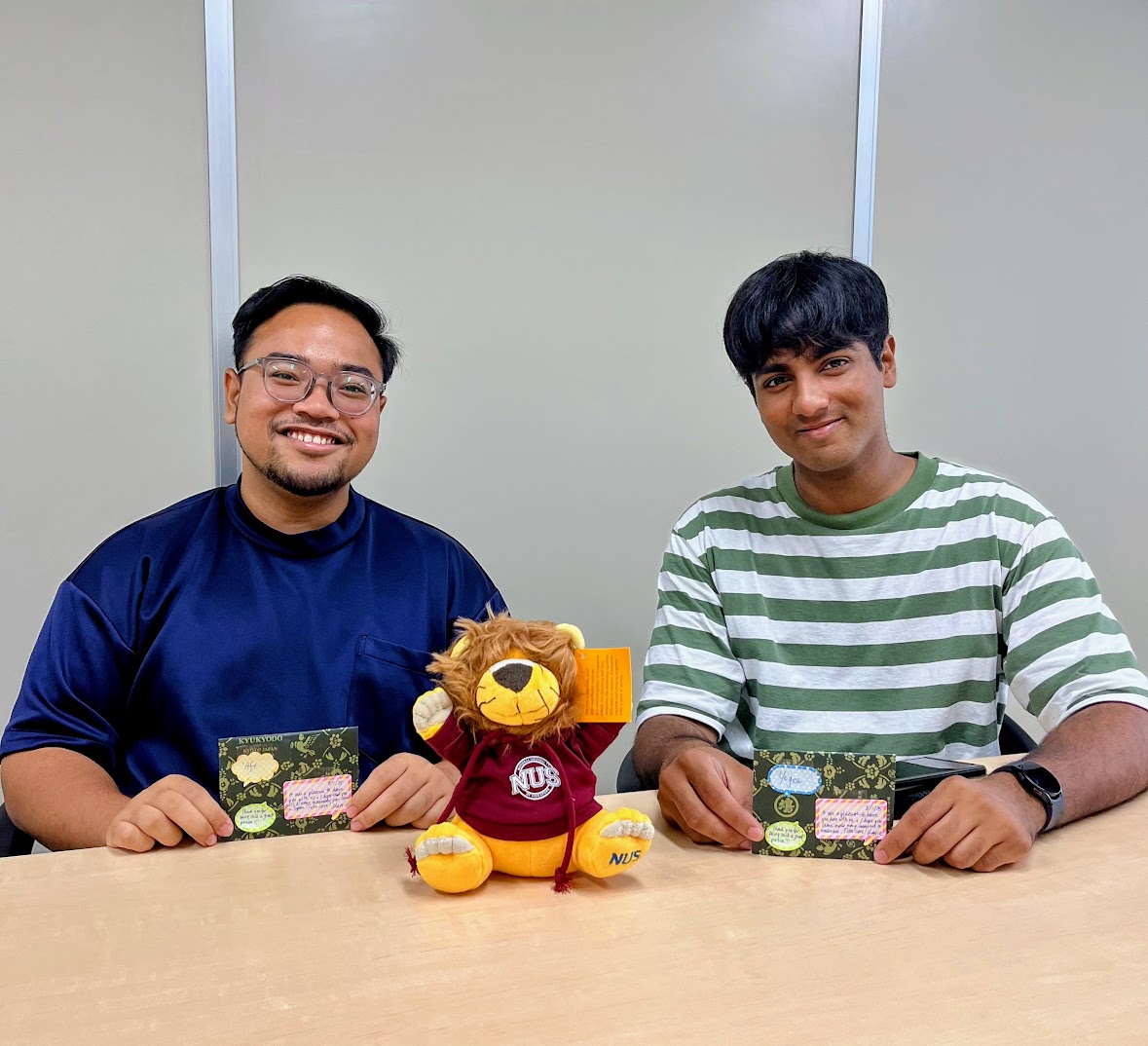
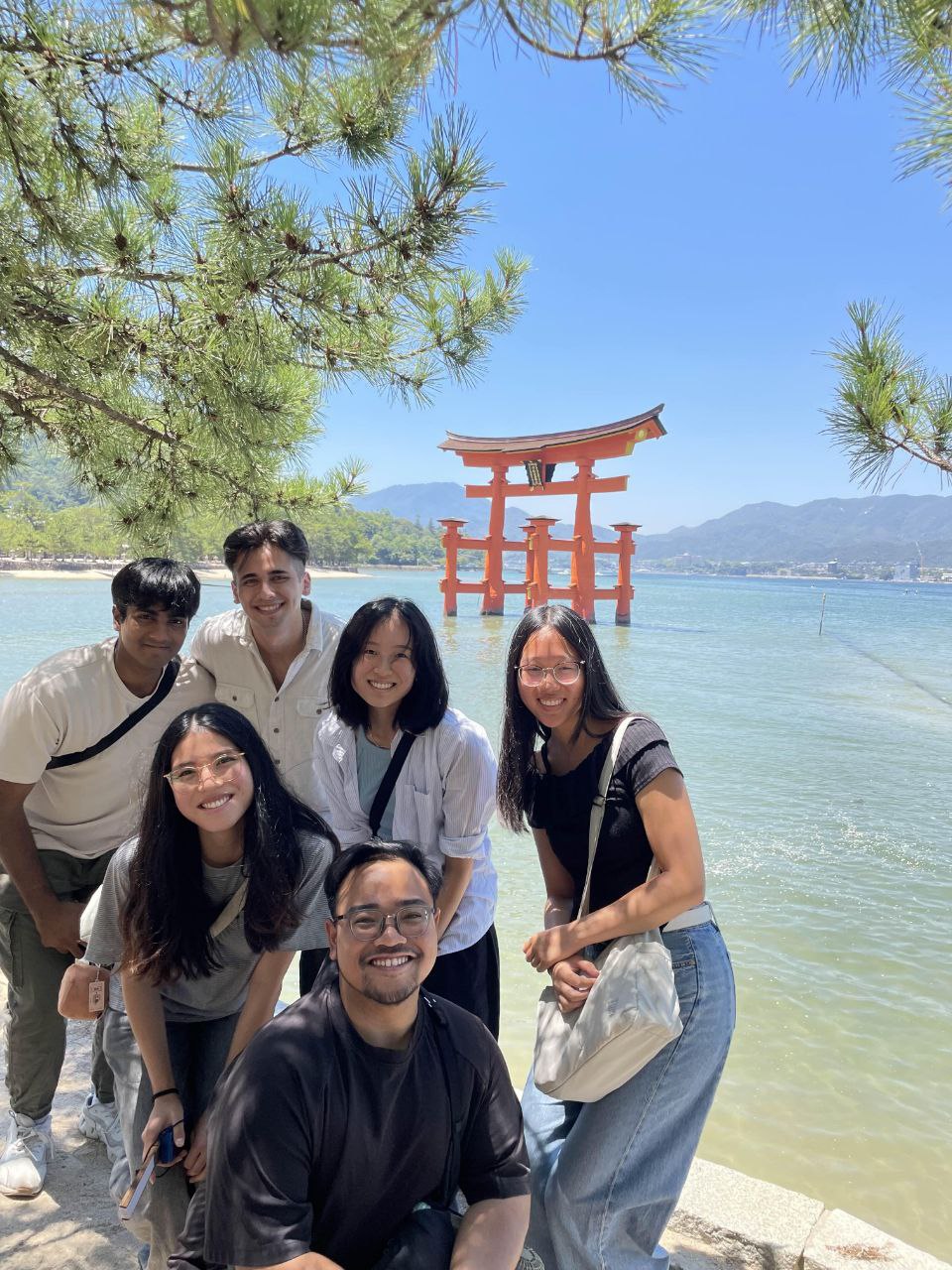
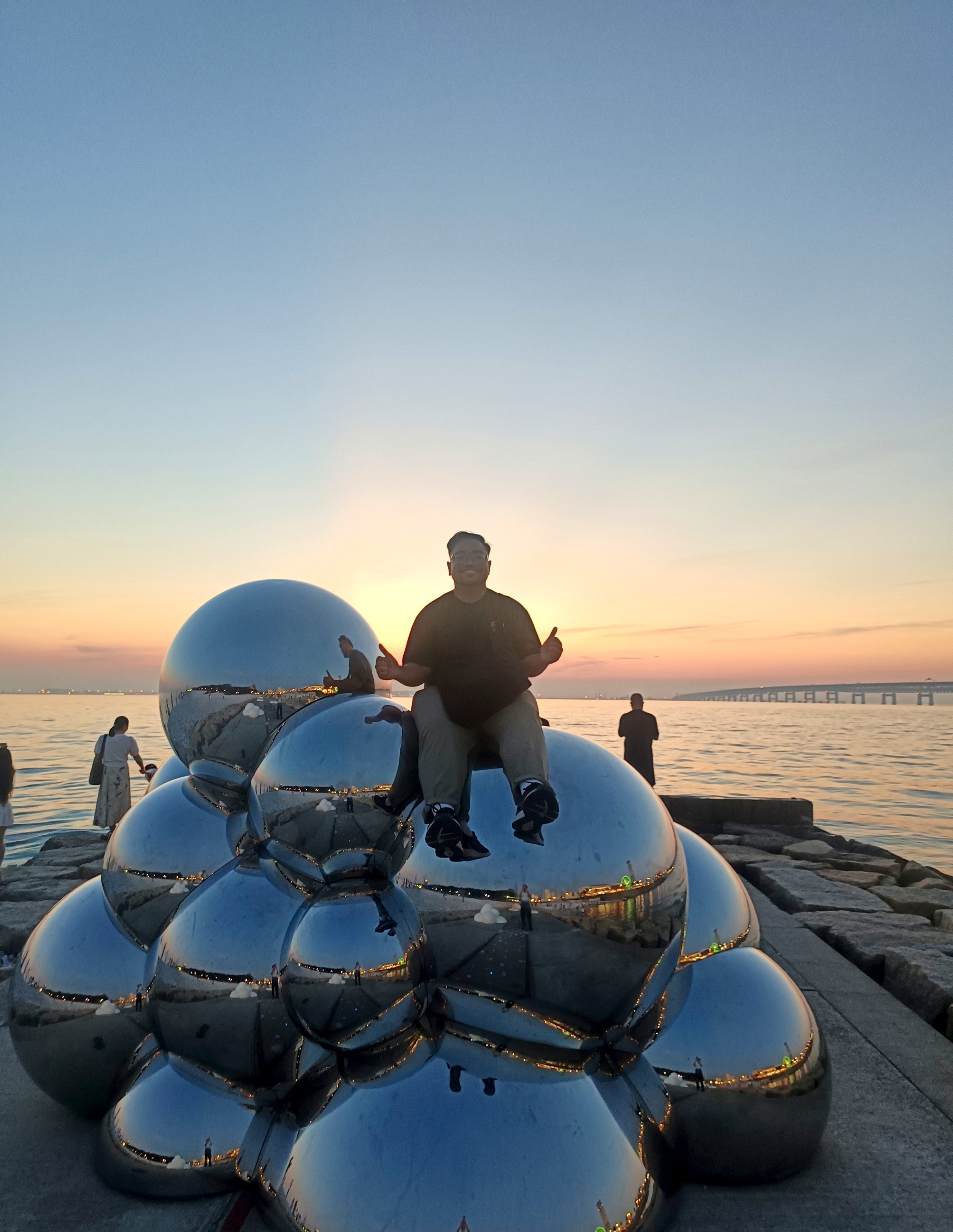
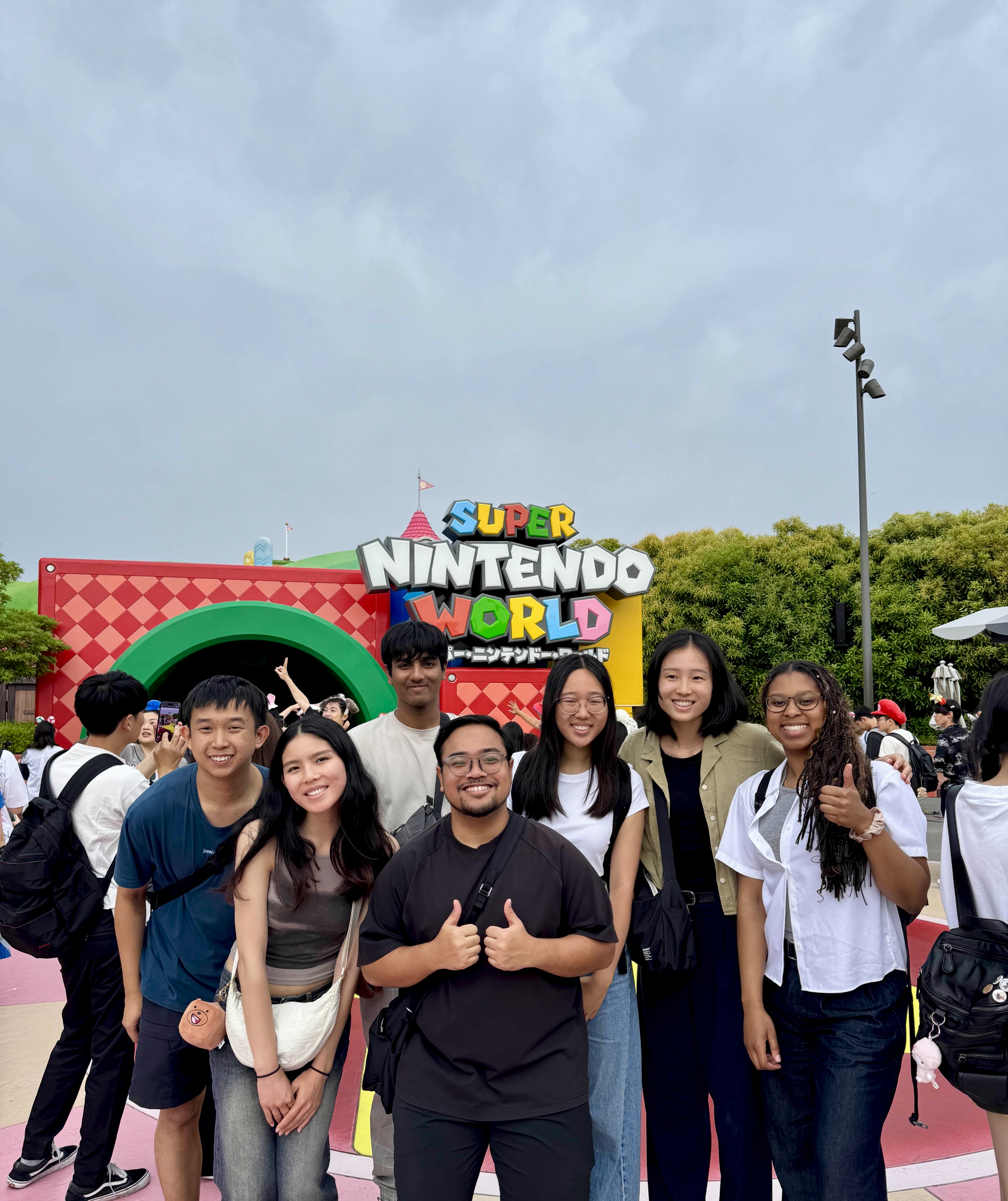
Muhammad 'Afi bin Hussain (Wada Lab, Undergrad 3)
"This summer, I had the incredible opportunity to participate in the 12-week FrontierLab Mini Program with Wada Lab. As my first experience doing research—and my first exposure to biomechanics—I was initially a bit nervous. However, the professors and fellow students in the lab were incredibly welcoming and always ready to offer support. During the program, I conducted fascinating research on surgical efficacy by analyzing lung airflow in real-life patients before and after their surgeries. This hands-on experience was both challenging and rewarding, allowing me to apply what I learned in a meaningful way. Beyond the lab, I explored some amazing places during the weekends, including Kobe, Kyoto, Tokyo, Mt. Fuji, Wakayama, and even took a memorable trip to Korea. Traveling was even more enjoyable thanks to the new friends I made from the University of Toronto and Osaka University. I highly recommend this program to anyone interested in gaining real research experience while immersing themselves in Japanese culture. It’s a truly unforgettable opportunity!"
Justin Ng (Tadakuma Lab, Undergrad 2)
"I spent the first half of my summer in Osaka with the amazing team at Tadakuma Lab. I had the incredible privilege of working under the guidance of Professor Kenjiro Tadakuma and Professor Masahiro Watanabe with Hiro Nakamura as my mentor. I was involved in 2 main activities: (1) Redesign of a Resin Holder for a Screw Differential Mechanism and the (2) Fabrication of a Geared Omni-Directional Traversing Ball mechanism. For the former, I had to change the design to include an easier way to mount the pre-assembled gears and ensure tight fit for good alignment. For the latter, the printed balls had to also be checked for individual element printing accuracy and geometric alignment after printing to confirm true Omni movement capability. A highlight of my programme would be attending ROBOMECH 2025 in Yamagata, one of Japan’s largest domestic engineering conferences. I saw firsthand an impressive array of innovations, including earthquake rescue robots, drones for hazardous industrial tasks and even a study done on the escape trajectories of mosquitoes! Outside of lab hours, I explored the nearby cities of Ikeda and Kobe, where I was treated to the stunning natural beauty of the Minoh waterfalls, Katsuoji temple and the breathtaking views atop Mt. Rokko. I also chanced upon the opportunity to attend a tour at Suntory’s historic Yamazaki Distillery, the birthplace of Japanese Whiskey. To top off this experience, I was also glad to meet fellow Engineering Science undergraduates from the University of Toronto, and we spent an enjoyable day at Universal Studios Japan together! For anyone looking to deepen their research skills in their chosen area, befriend fellow students across different cultures and immerse themselves in Japanese culture and environment, the FrontierLab Mini @ Osaka University programme is perfect for you."
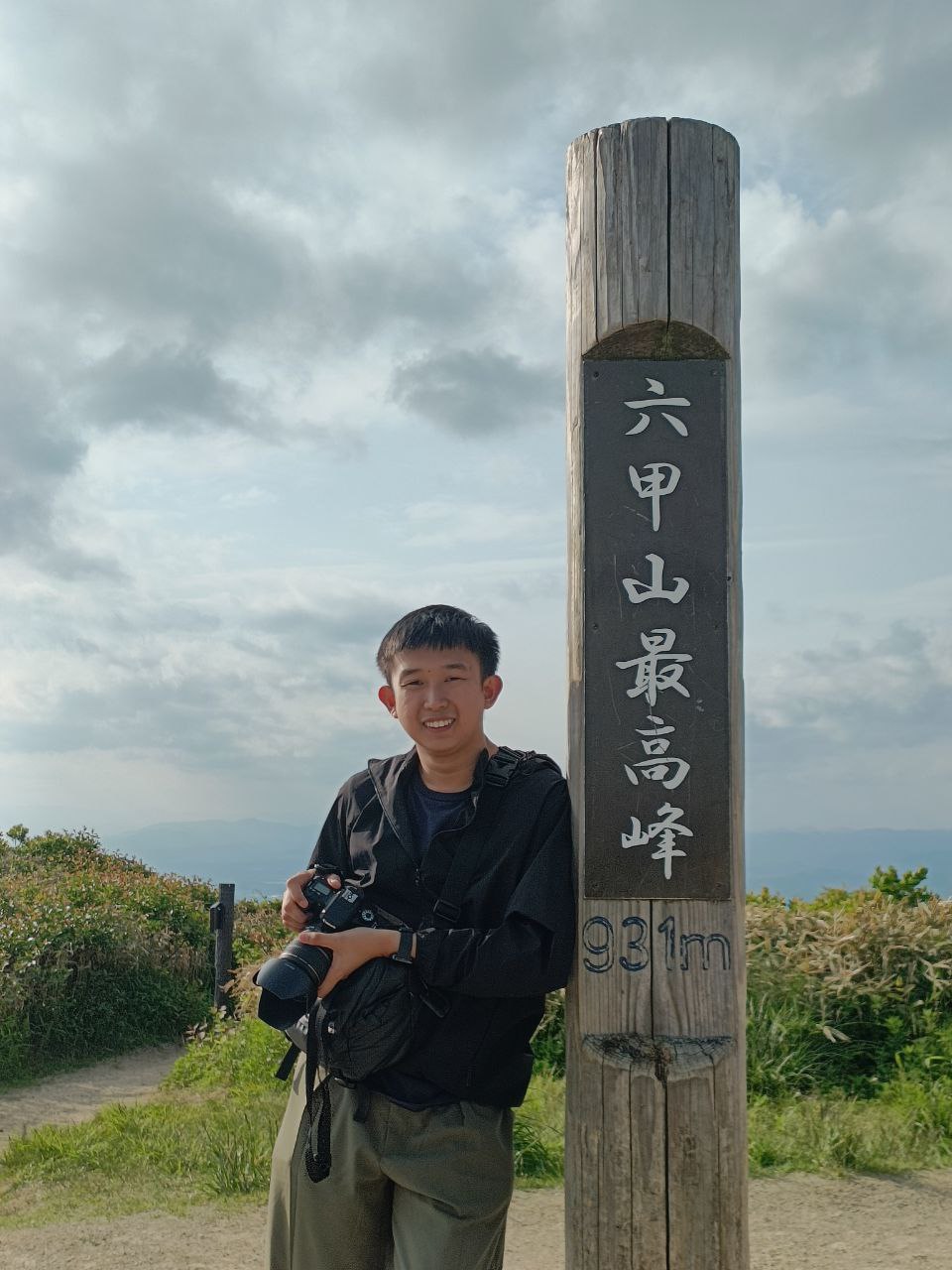
University of Queensland
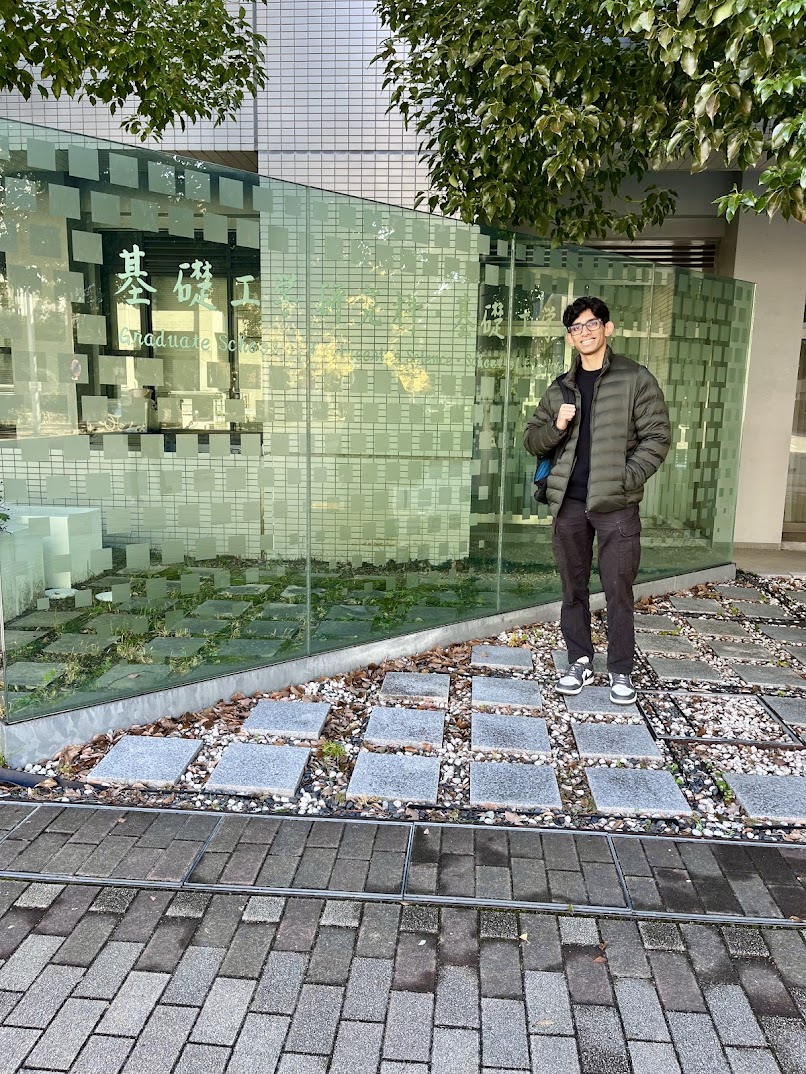
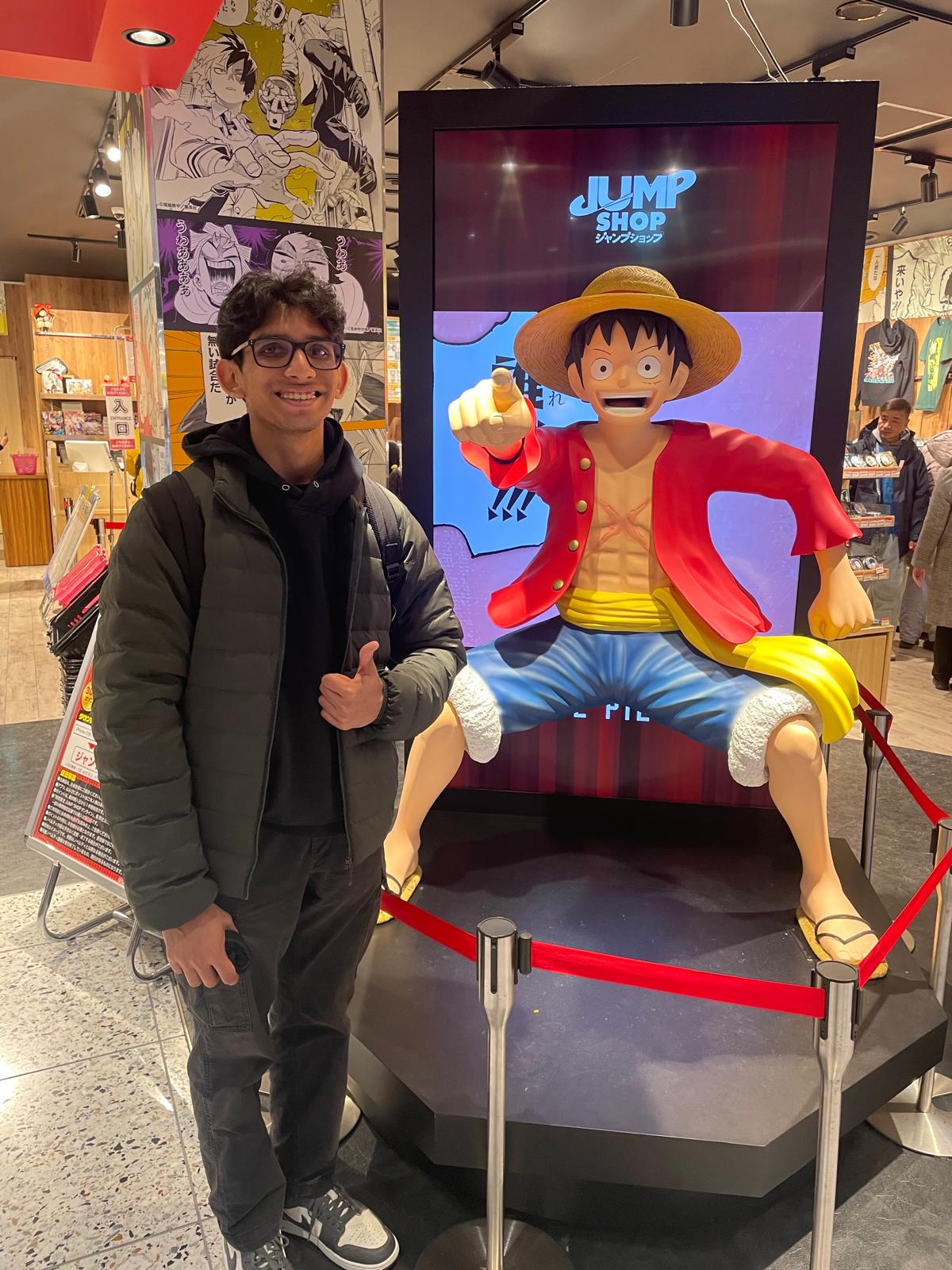
Advait Kamble (Goto Lab, Undergrad 5)
"At Osaka University I had an incredible experience both academically and personally. From the very beginning I was warmly welcomed by my professor and lab peers. Initially, I felt nervous as to how I would fit in and was somewhat intimidated and in awe of the fascinating projects my lab mates were working on. However, they treated me like one of their own from the start, always offering help, recommending places to visit and foods to try, and taking the time to get to know me. I found Osaka University to be a beautiful place in many ways, from its vibrant student community to the abundance of nature on campus, as well as the delicious cafeteria food! I had the opportunity to be part of Goto Lab (Professor Susumu Goto) where I developed and conducted numerical simulations of multi-phase flows. During this period, I deepened my understanding of the underlying phenomena and was able to contribute meaningfully to weekly discussions. Although I encountered several challenges during the development phase, I was able to overcome them through valuable discussions with my peers and professors. My lab mates also shared textbooks and research papers which greatly improved my daily workflow and problem-solving ability. I am immensely grateful for the opportunity provided by the FrontierLab Mini Program. It allowed me to experience high-level research while also connecting with inspiring individuals, forming meaningful friendships, and gaining lifelong lessons. Being part of this program still feels surreal, and I am truly thankful for the three months I spent at Osaka University and for everyone I met along the way!"
Tara Bashirzadeh (Minamikawa Lab, Undergrad 4)
"My experience in the ENGG7291 Engineering Placement at The University of Osaka was both academically enriching and personally transformative. I was motivated to pursue this placement as a research-focused alternative to a traditional industry experience, particularly given my interest in exploring a potential pathway into academia. Having previously undertaken a semester exchange, I was keen to once again immerse myself in a different cultural and learning environment, and Osaka University—renowned for its research excellence—provided the ideal setting. During my placement, I worked within the Molecular Photonics for Medicine Laboratory on a project involving the calibration and imaging pipeline development of a Second Harmonic Generation (SHG) microscope for liver fibrosis analysis. This experience allowed me to apply the structured problem-solving approaches developed throughout my degree in a real research context. Building on an existing hardware system designed by another student, I needed to deeply understand prior design decisions, identify gaps in functionality, and independently develop solutions to complete the system. This strengthened my ability to think critically, work within constraints, and contribute meaningfully to an ongoing project. The placement also fostered significant personal growth. Working in a non-English speaking environment required me to become more independent, adaptable, and deliberate in my communication. I learned to take ownership of technical challenges, often needing to research and refine my understanding before seeking support, and to clearly articulate complex ideas when collaborating with others. Living in Japan further developed my confidence in navigating unfamiliar situations and adapting to new cultural contexts. Professionally, I gained valuable experience presenting my work to an academic audience, enhancing both my technical communication and confidence in engaging with expert feedback. I also developed new technical skills through exposure to unfamiliar tools and systems, particularly in integrating software with hardware in a research setting. Beyond the lab, the experience was enriched by cultural immersion—exploring Japan, building connections with labmates, and gaining local insights that made the placement both enjoyable and memorable. Overall, this placement provided a unique opportunity to bridge theory and practice, while also giving me clarity on my future direction. It has reinforced my interest in research and equipped me with the skills and confidence to pursue both academic and advanced technical career pathways."
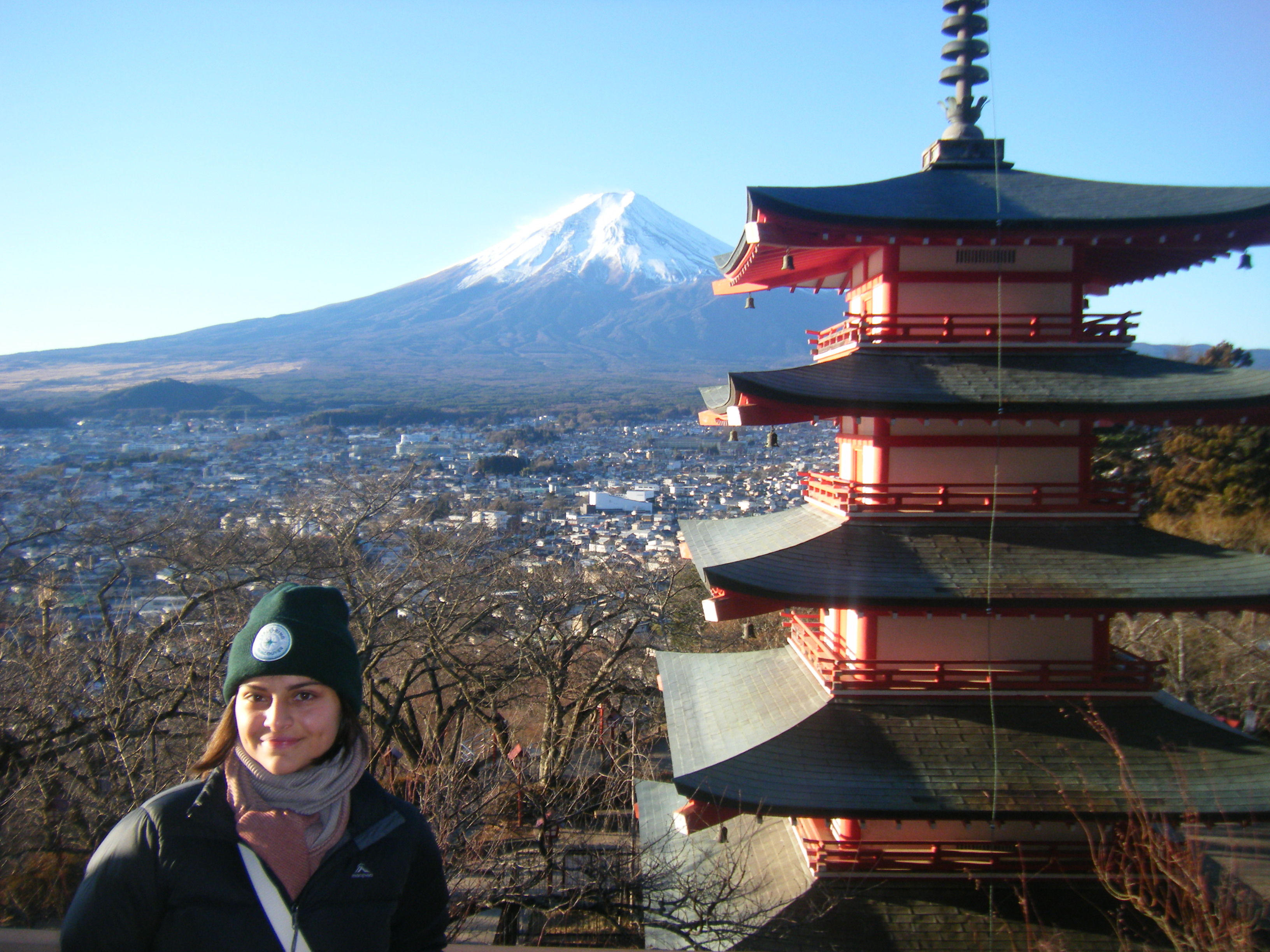
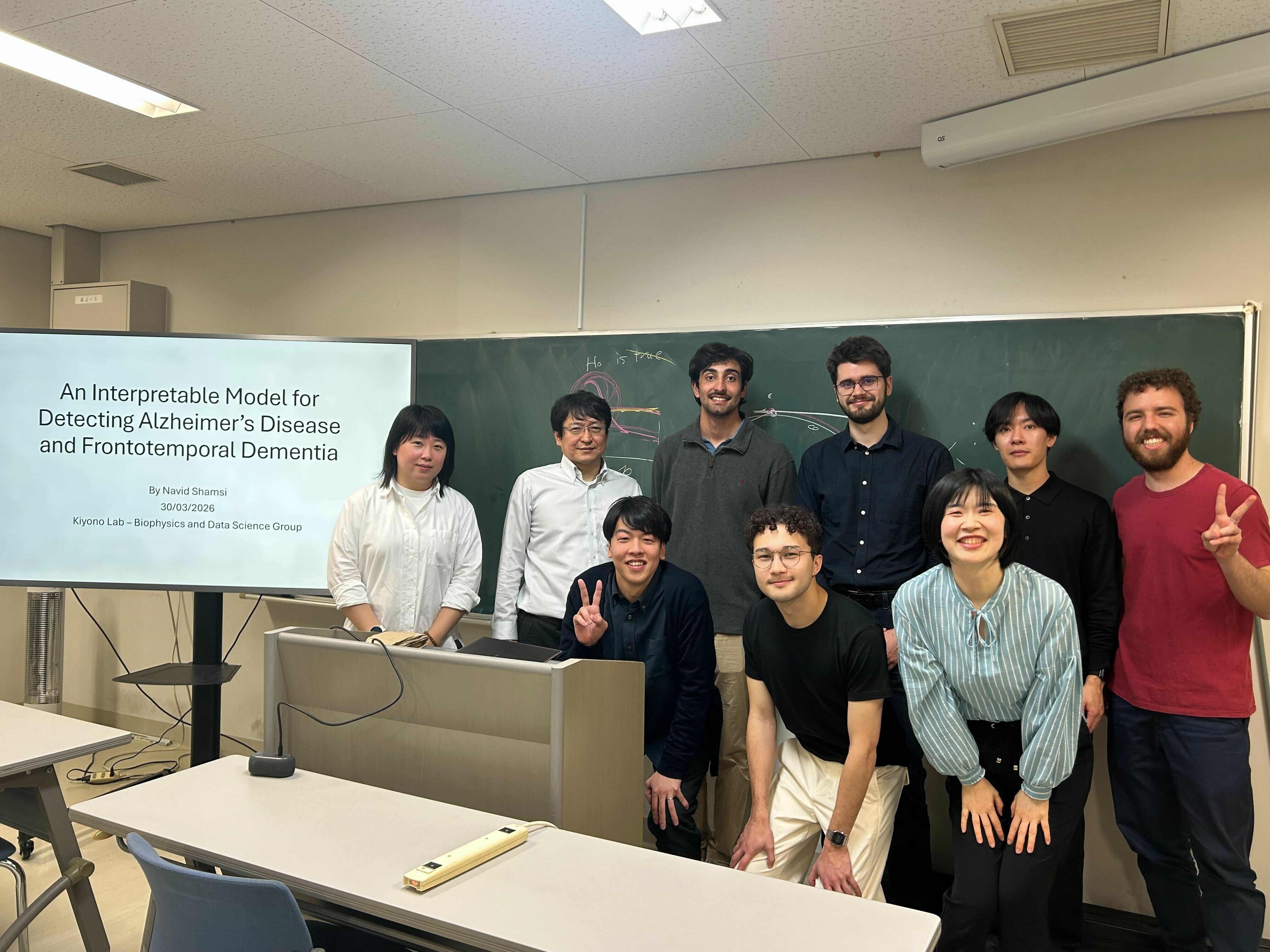
Navid Shamsi (Kiyono Lab, Undergrad 4)
"The University of Osaka Frontier Lab Mini Program was a great experience for me where I had the opportunity to work on a research project in my interest area of biomedical signal processing at a world class lab - the Kiyono lab - with other world-class professors, researchers and students. I also had the opportunity to explore Osaka and surrounding areas and fully immerse in the Japanese culture with the help of my lab-mates and fellow FLM students. It was definitely an experience that I will remember for the rest of my life and that has positively impacted my perception of research as potential future pathway."